


Enjoying Darker Skies on the Isle of Wight
Why Try Stargazing on the Isle of Wight?
Isle of Wight stargazing offers one of the most accessible ways to experience the night sky in southern England. Separated from the mainland by the Solent and bordered to the south by the open expanse of the English Channel, the Island combines rural downland, sheltered coves and elevated coastal cliffs where artificial skyglow drops away significantly.
The Island has a varied landscape, from towns and villages to open downs and stretches of rural coastline. In places away from streetlights and other sources of artificial light, you may be able to see more stars than you would from a brightly lit area. The view depends on your location, the weather and the amount of light around you.
Some south and west coast locations offer wide views out towards the English Channel, while open areas inland can provide a broad view of the sky. Because there are no major urban settlements directly south of the Island until the French coast over 60 miles away, southern sea horizons provide clear views of planets, constellations along the ecliptic, and seasonal deep-sky targets. A sea horizon does not guarantee darker skies on every evening, so choose a spot that is accessible, safe and suitable for the direction of the sky you want to observe.
Where to Go Stargazing on the Isle of Wight
When planning an evening of Isle of Wight stargazing, different regions of the Island suit different observing goals. West Wight and the Back of the Wight — stretching from Freshwater Bay and Compton Bay along the Military Road towards Chale and St Catherine's Down — are widely favoured for their unobstructed southern horizons and low density of street lighting.
Inland chalk ridges such as Brighstone Down and Arreton Down elevate observers above low-lying coastal mist, offering broad panoramic sky coverage. Meanwhile, Fort Victoria Country Park near Yarmouth on the north-west coast serves as an established Dark Sky Discovery Site with convenient parking, level paths and connections to the Island Planetarium, and Culver Down in the east provides commanding views over Sandown Bay and the eastern English Channel.
What You Can See in the Isle of Wight Night Sky
What you can spot during an Isle of Wight stargazing session shifts throughout the year as the Earth orbits the Sun. During autumn and winter, crisp, long nights showcase prominent constellations including Orion the Hunter, Taurus, Gemini, Cassiopeia and the Pleiades star cluster, alongside the Andromeda Galaxy under clear, moonless conditions.
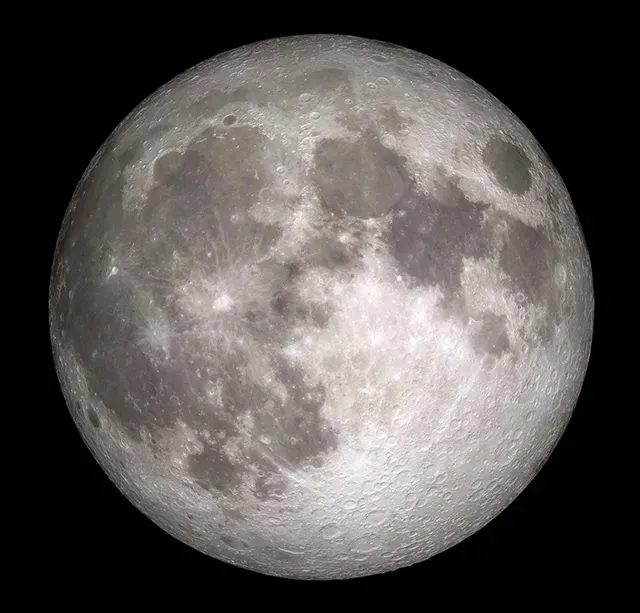
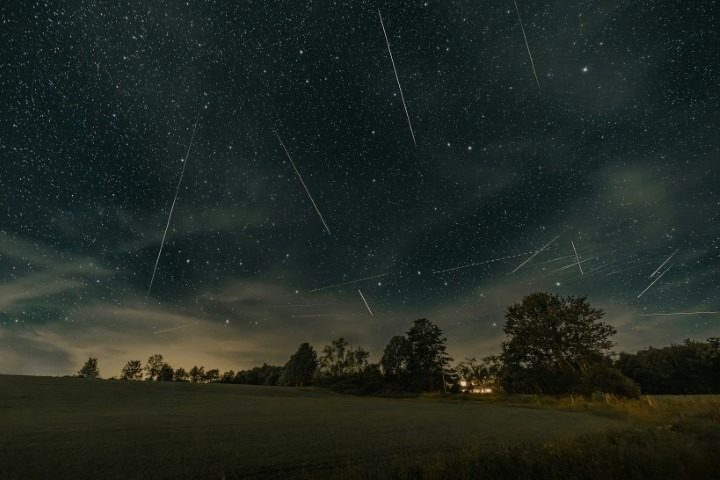
In spring and summer, milder evenings reveal Leo, Cygnus the Swan and the rich star fields of the Milky Way arching above the southern sea horizon. Throughout all four seasons, the Moon, brilliant planets such as Jupiter, Saturn, Venus and Mars, International Space Station flyovers, and major meteor showers — including the Perseids in August, the Orionids in October, and the Geminids in December — provide rewarding targets for visitors and local observers alike.
How Light Pollution Affects What You Can See
Artificial light from roads, buildings and towns can brighten the sky and make fainter stars harder to see. Moving away from direct lights can help, although the level of light pollution differs across the Island and no location is guaranteed to have perfect conditions.
On a clear, dark night, give your eyes around 20 minutes to adjust and avoid looking at bright phone screens or torches. You may begin to notice fainter stars and details that were difficult to see at first. Moonlight, cloud and haze can all affect the view, so a little patience and realistic expectations go a long way.
You Don't Need a Telescope
You can start stargazing with nothing more than your eyes and a clear patch of sky. Wrap up warm, let your eyes adjust and see which stars and constellations you can find. A pair of binoculars can reveal extra detail, including lunar craters, Jupiter's moons and bright star clusters, but specialist equipment isn't essential.
If you're new to stargazing, start with the Moon, bright planets and familiar constellations. What you can see changes with the season, time of night, weather and moonlight, so check a current sky guide before heading out.
For detailed season-by-season observing tips and night-sky advice, explore our Isle of Wight Dark Skies Guide, or view our Isle of Wight Stargazing Locations Guide to compare dark sky locations across the Island. Visiting on an Isle of Wight holiday? Download the free Starry Wight Isle of Wight stargazing app for live forecasts, evening events and dark-sky friendly stays.